The Tonlé Sap and its floating villages
The Tonlé Sap is the largest freshwater lake in Southeast Asia, and it breathes with the seasons: in the rainy season the Mekong pushes water back into it and the lake grows several times larger. Whole villages live with this rhythm, in houses on stilts or on floating platforms.
Kampong Phluk has houses on stilts several metres high and a flooded forest you cross by boat. Kampong Khleang, further away, is one of the largest stilt villages and sees few visitors. The best months are from about August to December, when the water is high.
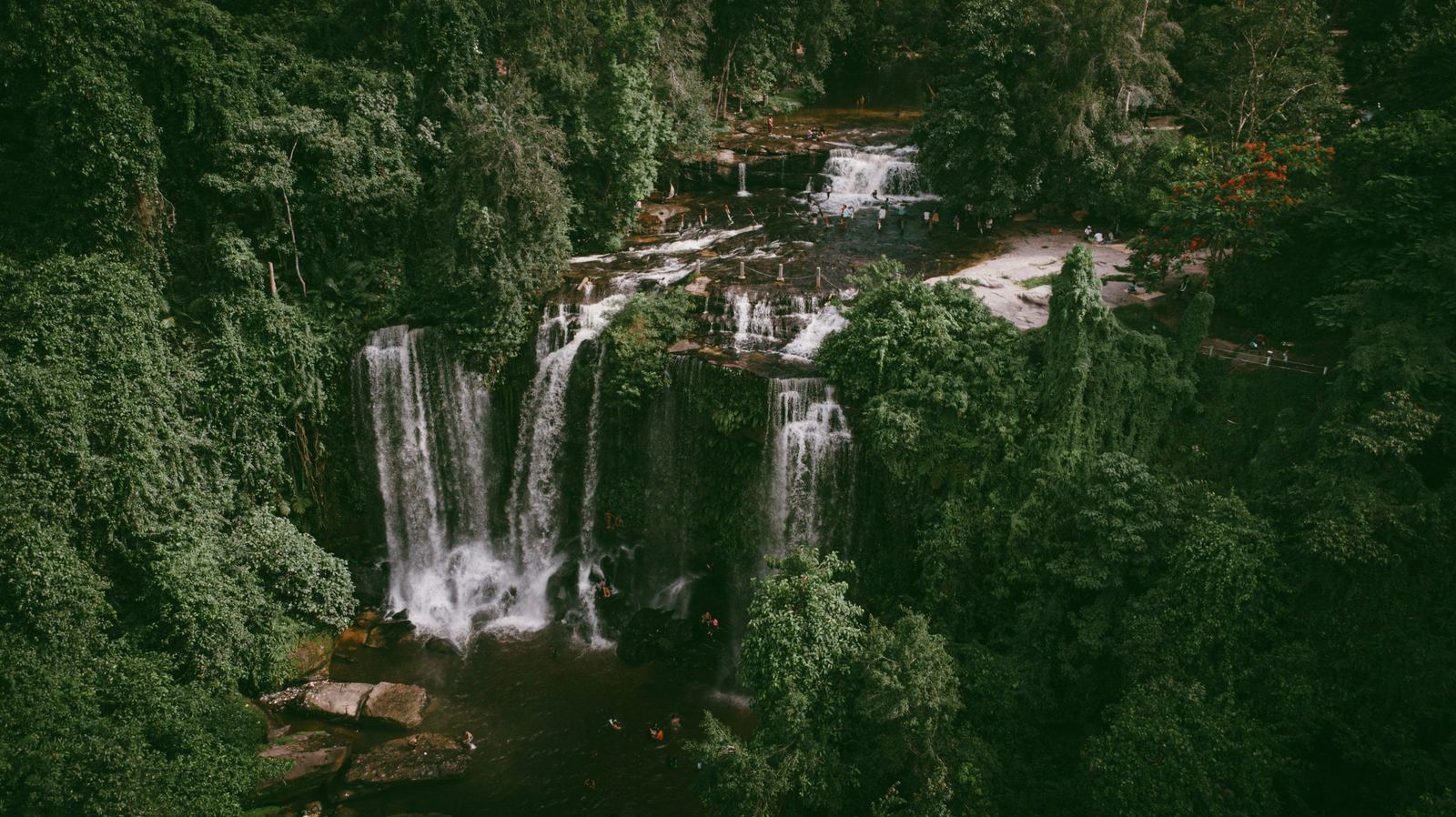
Phnom Kulen
The sacred mountain, about 50 km north-east, where the Khmer empire was declared in 802. A reclining Buddha carved into a rock, lingas carved in the bed of the river, and a waterfall where Cambodian families come to swim on weekends. The mountain has its own entrance ticket, separate from the Angkor Pass.
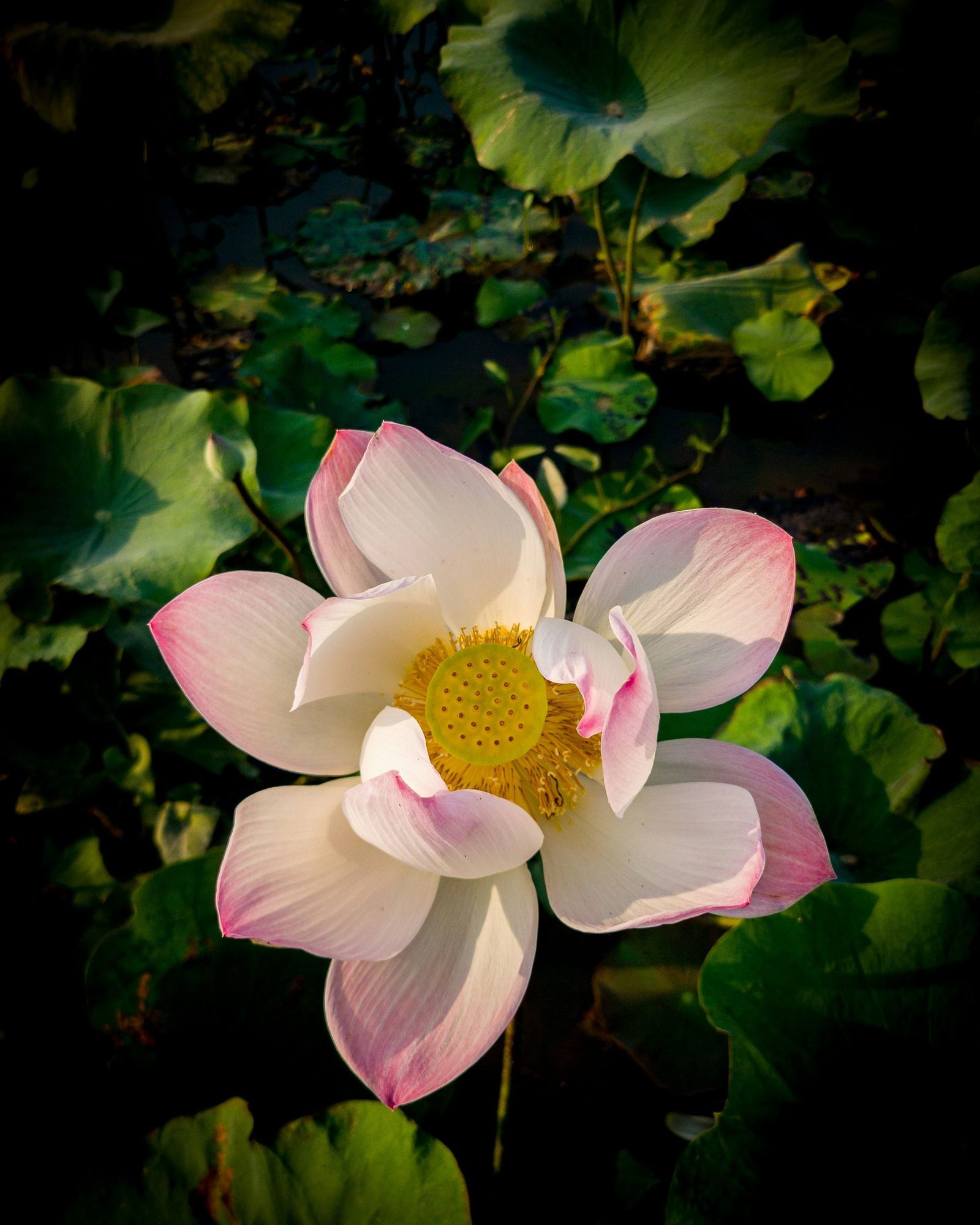
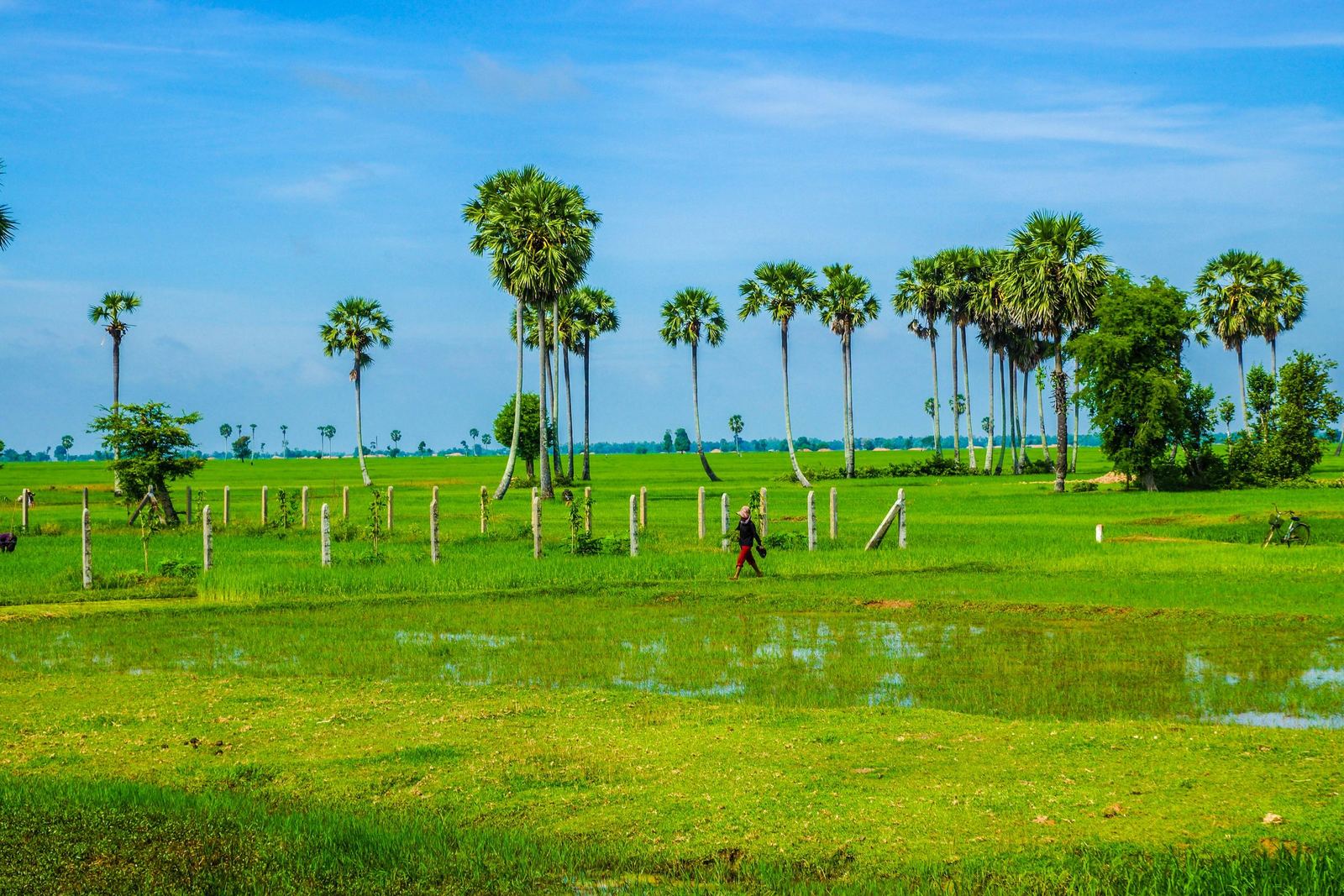
Lotus ponds and rice fields
Around Siem Reap, the lotus ponds flower pink for much of the year. Farmers sell the seeds, which you eat fresh, and use the stems and flowers. Further out, the rice fields turn bright green in the rainy season and gold at harvest time, from November to December. The best way to see them is slowly, by bicycle or tuk-tuk, on the small roads between villages.
Photos: Chandara Se / Unsplash, Wadthy Khieu / Unsplash